

Largemouth bass, one of the most often sought after game fish, are predators and you can greatly increase your success of catching them by learning to think like them. A bass has to rely on its skills as a hunter to eat and there are several things you can do to increase your chances of tricking one into eating your bait.
 Always consider where you are fishing and what the bass are eating in that aquatic ecosystem. Often times they will be feeding on shad, bluegill or crawfish. Pick a bait that most closely imitates their current primary forage and you will be well on your way to catching more bass. Pay attention to clues that you can see to help you determine what forage is most prevalent. If the bass are guarding eggs/fry and there are hundreds of bluegill trying to invade their nests then guess what they’re eating. If you are fishing riprap, know that there are hundreds of crawfish crawling among the rocks. If you notice balls of shad swimming around the cove you are fishing, I can guarantee you that bass are close by and are eating shad. Get the idea?
 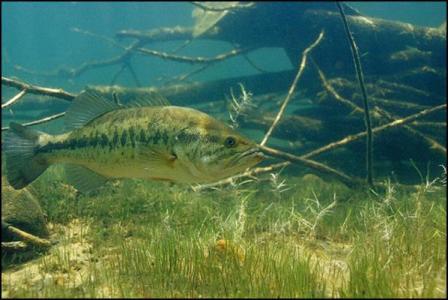 Bass also hide to ambush their prey. When we pursue deer, turkey, ducks, etc. we dress in camouflage and hunt out of blinds, tree stands, or place a large object between us and our game. Bass are no different. They will hide next to root balls, docks, aquatic vegetation, and rock piles to help camouflage themselves. They even have the ability to change colors like a chameleon to hide from their prey. Always be aware of the available cover in an area and how much light is penetrating the water. Think of how you would hide in a given environment and this will help you determine where a bass will be hanging out.
 Water temperature is another important factor in helping you determine how a bass will behave. They are cold blooded meaning their body temperature changes according to the environment. In warmer water their body temperature will be warmer and conversely the colder the water the colder the body temperature. Their metabolism increases with the water temperature so the warmer it is the more they need to eat. A bass is generally more active in warm water and will often times be more apt to chase after a meal.
These are just a few of the variables that determine what and when a bass will eat. There are many more of them that we may never understand. However, if you focus on forage, cover, temperature, and how each one of them affects the activity of a bass, you will find yourself with a tight line more frequently. If you have any bass fishing questions go to our Facebook Discussion Board and post it up! I will answer it as soon as I can.
Brian


